
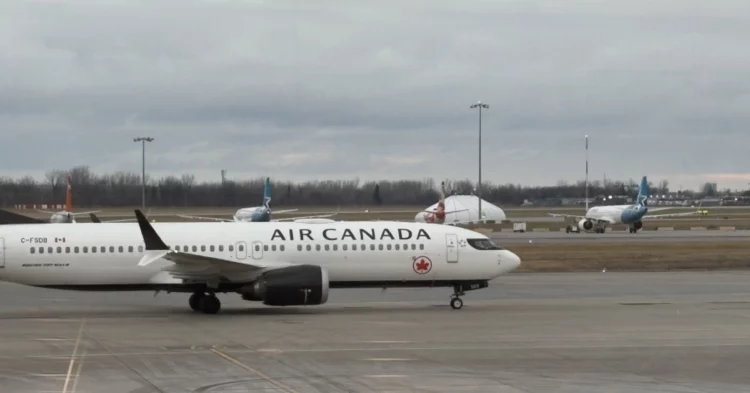
Air Canada is the country’s largest airline, operating hundreds of flights daily to destinations across Canada, the United States, and around the world. Whether you’re a passenger planning your next trip or simply curious about the airline’s operations, here’s a comprehensive look at Air Canada’s pilot salaries, potential strike impacts, travel regulations, and recent stock performance — all based on official sources and industry data.
What is the Average Salary for a Pilot in Air Canada?
The average yearly salary for a pilot at Air Canada is approximately $103,183, which is around 39% above the national average in Canada. This figure can vary based on factors such as years of experience, type of aircraft flown, and seniority within the airline. In the long term, Air Canada pilot salaries are considered among the highest in the country, making it a top choice for aviation professionals.
What Happens If Air Canada Goes on Strike?
Air Canada operates roughly 500 domestic flights, 430 U.S. flights, and 170 international flights every single day. In the event of a strike, the airline would likely face massive cancellations, potentially grounding more than 1,000 flights per day. Such disruptions could affect tens of thousands of passengers, delay international connections, and impact business and leisure travel alike.
This possibility has been in the spotlight due to recent tensions between the airline and its flight attendants, represented by the Canadian Union of Public Employees (CUPE).
Why Did Air Canada Almost Go on Strike?
The near-strike situation was primarily driven by flight attendants demanding higher wages and better compensation for all the hours they work. According to CUPE, Air Canada flight attendants are not paid for critical safety tasks, such as pre-flight checks, assisting passengers during boarding and deplaning, or handling onboard emergencies.
CUPE has argued that these unpaid duties are essential to passenger safety and comfort, and the lack of compensation for this time has been a long-standing issue.
What Is the 3-1-1 Rule for Air Canada?
The 3-1-1 rule applies to liquids, gels, and aerosols in carry-on baggage:
- Containers must be 100 ml / 100 g (3.4 oz.) or less.
- All containers must fit inside one clear, closed, re-sealable plastic bag no larger than 1 litre (1 quart).
- Each passenger is allowed only one such bag.
This rule follows international aviation security standards and is enforced at airport security checkpoints.
Why Is Air Canada’s Stock Dropping?
Air Canada’s share price has seen a steep decline from its pre-pandemic highs of $40–$50 to a new normal of around $18. Several factors have contributed to this drop:
- Post-pandemic downsizing — Like many airlines, Air Canada reduced its operations during the pandemic.
- Equity dilution — The airline raised capital by issuing new shares during the pandemic, which diluted the value of existing shares.
- Market recovery challenges — Higher operating costs, staffing shortages, and fluctuating travel demand have slowed the recovery of its stock price.
Which Airline Pays the Highest Salary to Pilots in Canada?
In terms of long-term earning potential, Air Canada remains the top-paying airline for pilots in Canada. While other carriers such as WestJet and Porter offer competitive salaries, Air Canada’s scale, international routes, and long-haul opportunities often provide higher overall pay and benefits packages.
In conclusion, Air Canada remains a cornerstone of Canada’s aviation industry, offering some of the highest pilot salaries in the country, averaging about $103,183 annually. However, the airline also faces significant operational and financial challenges, from potential labour strikes to post-pandemic market pressures that have impacted its stock value.
For passengers, understanding policies like the 3-1-1 liquids rule and staying updated on labour negotiations is essential to avoid travel disruptions. As Air Canada navigates these challenges, the balance between fair compensation for staff, reliable service for passengers, and sustainable business operations will be critical in determining the airline’s long-term success.