
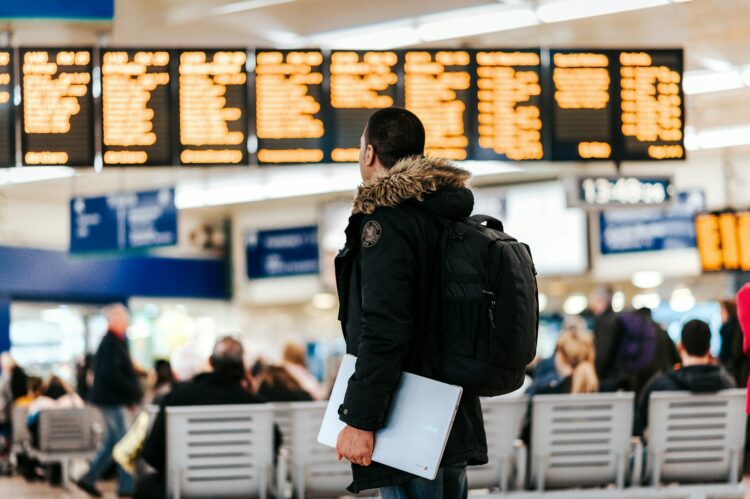
Canadians planning summer vacations in 2026 are facing growing uncertainty as flight cancellations, soaring fuel prices, rising airfares, and global instability linked to the U.S.-Israel war with Iran continue disrupting international travel. Across Canada, families preparing for summer holidays are now reconsidering trips to Europe, the United States, and Asia as airlines cut routes, ticket prices surge, and travel experts warn of additional disruptions in the weeks ahead.
The worsening jet fuel shortage crisis has already triggered major concern among airlines, governments, and travelers. Global Affairs Canada has issued a fresh travel warning ahead of the busy summer season, urging Canadians to prepare for possible flight cancellations, fuel shortages, and disruptions to transportation and local services abroad.
The warning comes as Canadians are already struggling with higher living costs, expensive hotel rates, weak currency exchange rates, and uncertainty surrounding international travel. For many travelers, the 2026 summer travel season is quickly becoming one of the most unpredictable and expensive travel periods in recent years.
Global Affairs Canada Warns Canadians About Summer Travel Risks
Global Affairs Canada has specifically warned travelers that the ongoing Middle East conflict could impact air travel and fuel supplies worldwide.
“Summer is fast approaching, and many Canadians are planning to travel abroad. The situation in the Middle East is presenting challenges that travellers around the world need to be aware of,” the advisory states.
Officials also warned that fuel shortages may cause flight cancellations and affect access to local goods and services at international destinations.
The warning has sparked concern among Canadian travelers heading to Europe, Asia, and the United States during the peak vacation season. Many travelers are now questioning whether they should delay trips, purchase additional travel insurance, or stay closer to home this summer.
Jet Fuel Shortage Threatens Global Air Travel
The growing jet fuel shortage has become one of the biggest threats facing global aviation in 2026. Aviation experts warn that airlines worldwide are being squeezed by rising fuel costs caused by instability in global oil markets tied to the U.S.-Israel-Iran conflict.
According to aviation analysts, countries in Europe and Asia that rely heavily on Middle Eastern oil are especially vulnerable to jet fuel supply disruptions. Airlines are already adjusting operations by reducing routes, increasing fares, and prioritizing profitable long-haul flights.
Werner Antweiler, associate professor at the University of British Columbia’s Sauder School of Business, warned that Canadians traveling internationally this summer should prepare for disruption.
Travel experts say the aviation industry could face continuing fuel supply pressure throughout the summer if geopolitical tensions escalate further.
Air Canada and Other Airlines Cutting Flights
Major Canadian airlines have already started reducing flights because of rising jet fuel costs. Air Canada has cancelled several routes considered less profitable amid the fuel crisis, while other carriers are adjusting schedules to reduce operational costs.
Industry experts believe short-haul flights are at the greatest risk of cancellation because they are more expensive to operate compared with long-haul international services.
According to Antweiler, airlines will likely protect transatlantic flights whenever possible because those routes generate higher revenues and are harder to replace with alternative transportation options.
Short-haul domestic and regional routes, however, could continue seeing reductions throughout summer 2026.
Airlines are also attempting to consolidate passengers onto fewer flights as fuel expenses continue climbing.
Flight Cancellations and Delays Could Increase Across Europe
Canadians heading to Europe may face even greater travel complications this summer due to the European Union’s new entry and exit border system.
The updated border process is increasing wait times at airports and passport control checkpoints, creating additional stress for international travelers already dealing with flight delays and cancellations.
Travel experts are advising Canadians to avoid tight flight connections while traveling internationally.
McKenzie McMillan, managing partner with The Travel Group, warned travelers against booking short layovers.
“Do not go for the one-hour connection, that is a recipe for disaster,” he said.
Travel advisors now recommend allowing several hours between connecting flights, especially at major European hubs where congestion and delays are becoming increasingly common.
Canadians Encouraged to Buy Travel Insurance
With flight disruptions becoming more frequent, travel insurance is now being strongly recommended for Canadians planning vacations abroad.
Experts say travelers should carefully review insurance policies before purchasing because not all disruptions may be covered.
The growing jet fuel shortage is now considered a “known event” by several major insurers, meaning claims linked directly to fuel-related delays or cancellations may not qualify for reimbursement.
Travelers are being advised to:
- Review cancellation coverage carefully
- Confirm whether flight disruption protection is included
- Understand compensation rules
- Check medical coverage for international travel
- Prepare financially for unexpected overnight stays or rebookings
The uncertainty surrounding airline operations means travelers could face significant out-of-pocket expenses if flights are disrupted.
More Canadians Choosing Domestic Travel in 2026
As international travel becomes more expensive and unpredictable, many Canadians are now turning toward domestic travel instead.
Travel experts say Canada could see a major tourism boost this summer as more residents choose road trips, staycations, and local travel experiences over overseas vacations.
McMillan says Canada offers enormous travel opportunities for families trying to reduce expenses while avoiding international travel uncertainty.
“Stay within Canada. This is a huge country,” he said.
Domestic travel also helps Canadians avoid poor currency exchange rates affecting travel to the United States and Europe.
Tourism operators across Canada are hoping the global travel disruption crisis encourages more Canadians to explore destinations closer to home.
Road Trips Becoming the Top Budget-Friendly Travel Option
Many travel experts now believe road trips may become the most practical and affordable vacation option for Canadians during summer 2026.
Although gasoline prices remain elevated, road travel still offers greater flexibility and lower costs compared with expensive airline tickets and international hotel stays.
Travel advisors are encouraging Canadians to explore smaller towns, hidden tourism gems, and regional destinations instead of crowded major cities.
Instead of flying internationally, travelers are increasingly considering:
- National park vacations
- Mountain destinations
- Lakeside communities
- Small-town tourism
- Local festivals
- Weekend driving getaways
Tourism officials say this shift could significantly benefit local Canadian economies during the summer season.
Staycations Gain Popularity Amid Travel Chaos
For Canadians facing tighter budgets, staycations are also becoming increasingly popular in 2026.
Cities such as Ottawa, Vancouver, Calgary, Toronto, Montreal, Halifax, and Quebec City are preparing for stronger local tourism demand as residents choose shorter, lower-cost vacations closer to home.
Travel consultant Bachar Al Mazloum says he is already seeing travelers rearrange summer plans due to the growing uncertainty surrounding international air travel.
In Ottawa, tourism officials are promoting attractions such as Parliament Hill, the ByWard Market, museums, casinos, restaurants, and entertainment venues as affordable alternatives to expensive overseas travel.
Local tourism campaigns across Canada are now focusing heavily on encouraging residents to rediscover their own cities and provinces.
Canadian Travelers Face an Uncertain Summer
The 2026 summer travel season is shaping up to be one of the most challenging periods for Canadian travelers in years. Rising fuel prices, flight cancellations, jet fuel shortages, international conflict, expensive airfares, and economic uncertainty are all reshaping vacation decisions across the country.
Canadians planning trips abroad are now being urged to prepare carefully, monitor airline updates closely, purchase proper travel insurance, and allow extra time for delays and disruptions.
At the same time, domestic travel, road trips, and staycations are emerging as safer and more affordable alternatives during a summer marked by global aviation uncertainty.
For millions of Canadians, the message is becoming increasingly clear: flexibility, preparation, and smarter travel planning may be the key to surviving the 2026 summer travel crisis.